


Tile Family®:Match Puzzle Game
4.810.40K Reviews
App Specs
- Version
- 2.07.2
- Updated On
- License
- Free
- Downloads
- 10,000,000+
- Developer
- Playflux
- Categories
- Puzzle
- Platform
- Android, iOS
Screenshots



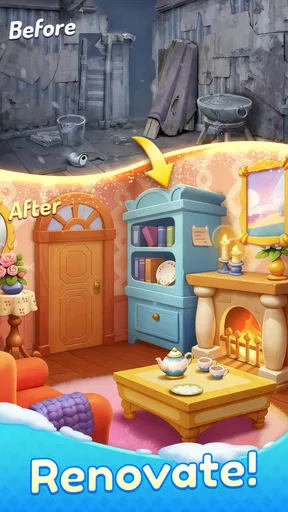
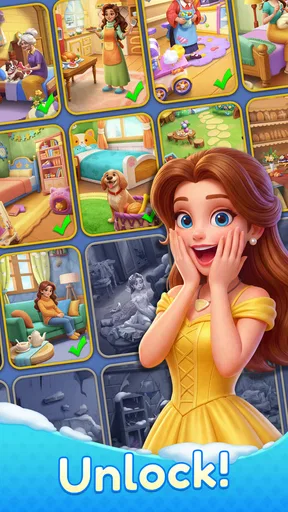

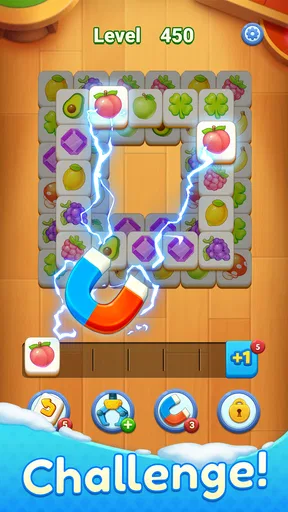
 Analysis by AppCompare
I tend to reach for a tile puzzle when I have a few spare minutes but don’t want to start something that demands a long, uninterrupted session. Tile Family®: Match Puzzle Game fits that kind of break: its basic idea is easy to grasp, while choosing which tiles to take can turn a simple-looking board into a small planning exercise. I find it most enjoyable when I treat each move as a decision rather than tapping as quickly as possible.
A useful routine for ordinary breaks
The first thing I do is scan the visible tiles before making a move. Matching three is straightforward; the harder part is deciding which available tiles to place into the holding area and whether I may need them to uncover a useful match later. That quick pause helps me avoid filling space with pieces that do not work together. It is a small habit, but it makes the puzzle feel more deliberate.
For a short session between errands or while waiting for a kettle to boil, I play one level at a time and stop when the break is over. The compact puzzle format suits that rhythm better than a sprawling strategy game or a story-driven adventure, where I would rather have time to settle in. If I have longer, I can continue through more boards, but I don’t feel that I need to turn every spare moment into a marathon.
This is a free puzzle game from Playflux, rated for Everyone, and its central appeal is easy to explain without a tutorial: find matching tiles and clear the board. The game’s store summary describes matching sets of three, but in practice I find the choices around what to pick up are what give the task its bite. It is a gentle fit for players who like visual sorting and short bursts of concentration, rather than a demanding test of reflexes.
What I check before settling into a session
I would check the game’s audio options before playing somewhere quiet. I enjoy the sound when I am at home, but silence is more practical in a waiting room or on public transport. The interface is colorful and easy to read at a glance, though the same bright visual style may not be everyone’s preference for a long session. If I find myself squinting or rushing, I take that as a cue to slow down instead of tapping through the board.
I also keep an eye on how much time I want to spend. Short levels make it tempting to say “one more,” especially when I am close to clearing a board. Setting a natural stopping point—such as finishing the current level—keeps the game in the role I want it to play: a quick mental break, not a distraction that takes over the afternoon.
The game has a 4.8 average from around 512,000 ratings, and it has been installed over 10 million times. Those figures suggest that the simple matching loop has broad appeal, but they do not mean every player will enjoy its pacing. I would recommend trying it if you like tidy visual puzzles; if you need a deeper campaign, a more varied set of mechanics, or a game with no prompts to consider spending, you may prefer another kind of puzzle experience.
Worth Reading Before You Choose

EA SPORTS FC Mobile 26 Is a Bigger Football Game, but It Takes Time

Flipboard Shows What News Apps Must Do Beyond the Feed

Switching to Android Auto Means Rethinking Your Driving Routine

Google Calendar Makes a Crowded Week Easier to Manage

Ludo King Makes the Most of the Minutes Between Plans

Baby Panda World Brings Quick Play to Modern Phones, but Its Game Library Feels Busy
The Gameplay Hook
At its core, Tile Family®: Match Puzzle Game is all about matching tiles. Sounds simple enough, right? But don’t let that simplicity fool you. The game ramps up the challenge in a way that keeps you on your toes, constantly strategizing your next move. The goal is to clear the board by matching tiles in groups of three, but as levels progress, the complexity does too.
What really grabbed my attention was the variety. There are different themes and tile sets that keep the game feeling fresh. Whether it’s cute animals, delicious food, or mystical symbols, there’s something for everyone. Plus, the levels are short enough to fit into those small pockets of time throughout the day, perfect for a quick mental pick-me-up.
User Experience and Design
The design of the game is clean and vibrant, which I absolutely love. The colors pop, making it easy to differentiate between tiles. The interface is intuitive, meaning you won’t spend ages figuring out how to navigate the game. Even if you’re not a tech wizard, you’ll find it a breeze to get started.
The sound effects and background music are also worth mentioning. They’re subtle enough not to be distracting but engaging enough to add an extra layer of enjoyment. If you’re like me and sometimes play games with the sound off, you might want to leave it on for this one.
Levels and Challenges
One of the highlights for me is the sheer number of levels available. With hundreds of puzzles to solve, it feels like the fun never ends. The developers have done a fantastic job of balancing difficulty and accessibility. Early levels are a gentle introduction, but soon enough, you’ll find yourself in deep, strategizing your moves several steps ahead.
There are also daily challenges and special events to keep things exciting. These often come with rewards that can help you in tougher levels, adding an extra incentive to log in every day. I find the daily challenges especially engaging as they often require a different strategy than the regular levels.
In-App Purchases and Ads
Like many free-to-play games, there are in-app purchases available. These can help you get past particularly tough levels by offering extra hints or lives. However, I’ve found that you can progress without spending a dime if you’re patient and willing to replay levels.
Ads are present, but they’re not overwhelming. They tend to pop up between levels, so they don’t interrupt your gameplay. Plus, you often have the option to watch an ad for free rewards, which is a fair trade-off in my book.
In-app purchases range from $0.99 to $149.99 per item, so I recommend deciding in advance whether you want to spend anything. When a level becomes frustrating, I would replay it or take a break before paying for help. That pause is useful because it separates a considered purchase from an impulse made after several failed attempts. The game is free to start, but the available purchase range makes it worth being mindful of how optional boosts fit your budget.
Making progress without rushing
A repeatable approach works better for me than trying to memorize a fixed sequence. I look for a match that also exposes more of the board, then check whether taking a tile will leave me with useful pairs or isolated pieces. When two choices seem equally good, I favor the one that appears to open up more possibilities. This is not a guarantee of a clear, but it reduces the number of moves I make without a reason.
Another practical tip is to notice when I am making the same unproductive choice repeatedly. If I have stalled, I stop for a moment and reassess the available tiles rather than tapping faster. In a matching game, speed can feel like progress even when it is only filling the holding area. A calm scan is especially useful when the board has several similar-looking symbols, because it helps me choose by what is actually available rather than by what I hope will appear.
The themes give the boards visual variety, but they do not change the basic decision-making that keeps me engaged. That trade-off is important: players who want each level to introduce a wholly new rule may find the central loop familiar after a while. I see the changing boards as a way to refresh a consistent puzzle, not as a replacement for deeper mechanical variety.
Where the challenge can feel limiting
The game works best when I want a focused, self-contained task. It is not the option I would choose for a complex logic puzzle with a long chain of deductions, or for a competitive game where another person’s decisions keep every session unpredictable. Its appeal rests on repeated tile choices, so anyone who gets bored by a familiar core mechanic should be realistic about that before investing lots of time.
Difficulty can also change how relaxing a session feels. A board that asks for more careful planning is satisfying when I have the patience for it, but less welcome when I am only trying to fill a spare minute. In that situation I stop rather than turning a casual break into a frustrating attempt to force a win. Players looking for an always-easy distraction may prefer a simpler match game; players who enjoy planning several moves ahead are more likely to appreciate the tougher moments.
The game runs on Android from version 7.0, and its current version is 1.94.2. I would treat those compatibility details as a useful check before installing, particularly on an older device. It was released on November 11, 2022, and the Everyone age rating makes it suitable for a broad audience, though younger players may still need an adult’s help understanding that optional in-app purchases involve real spending.
Who will enjoy it most
I would point a friend toward Tile Family if they like sorting, spotting patterns, and having a clear goal for a short session. It can suit someone who wants a low-pressure puzzle to play while waiting for an appointment or winding down at home. The simple premise also makes it approachable for a casual player who does not want to learn a complicated control scheme before getting started.
I would be less likely to recommend it to someone who dislikes ads, prefers a one-time purchase with no in-app spending, or wants every level to feel mechanically different. The free-to-play setup includes purchases and advertising, and even when those do not derail a session, they may not fit everyone’s preferences. If that matters more than a steady supply of approachable tile puzzles, a paid puzzle game or a different style of brain teaser may be a better match.
Final Thoughts
Overall, Tile Family®: Match Puzzle Game is a delightful addition to the puzzle genre. It’s got the right mix of challenge and fun, making it perfect for both casual gamers and those looking for something a bit more mentally engaging. Its vibrant design, variety of themes, and the sheer number of levels make it a must-try.
Whether you’re a puzzle aficionado or just looking for a new way to unwind, give this game a shot. You might just find yourself as hooked as I am. And if you do, don’t forget to check out the link to download it—happy puzzling!
My own recommendation comes with one qualification: it is strongest when I approach it as a familiar, repeatable tile challenge rather than expecting a different kind of puzzle every time. I get the most from it by taking a second to scan the board, choosing moves with the remaining space in mind, and stopping when I no longer feel relaxed. If that sounds like the kind of small routine you want from a mobile game, this is an easy one to try; if you want deep rule changes or a completely interruption-free experience, I would look elsewhere.
Pros
- Engaging and challenging gameplay.
- Colorful and appealing graphics.
- Smooth and intuitive controls.
- Regular updates with new levels.
- No intrusive ads during play.
Cons
- Limited lives can halt progress.
- In-app purchases can be pricey.
- Requires internet for full features.
- Occasional glitches in older devices.
- Some levels feel repetitive.
FAQs for Tile Family®:Match Puzzle Game
What is the gameplay like in Tile Family®: Match Puzzle Game?
Tile Family®: Match Puzzle Game is a tile-matching puzzle game where players are tasked with clearing the board by matching identical tiles. The game offers various levels with increasing difficulty, requiring strategic thinking and quick decision-making. It’s perfect for those who enjoy casual yet challenging puzzle experiences.
Is Tile Family®: Match Puzzle Game free to play?
Yes, Tile Family®: Match Puzzle Game is free to download and play. However, it includes in-app purchases for players who wish to enhance their gameplay experience. Purchases might include power-ups, extra lives, or additional levels, but they are optional and not necessary to enjoy the core game.
On which platforms is Tile Family®: Match Puzzle Game available?
Tile Family®: Match Puzzle Game is available for both Android and iOS devices. You can download it from the Google Play Store for Android devices and the Apple App Store for iOS devices. The game is optimized to run smoothly on a variety of mobile devices, ensuring a great experience for all users.
Does Tile Family®: Match Puzzle Game require an internet connection?
Tile Family®: Match Puzzle Game can be played offline, making it a great option for on-the-go gaming without the need for an internet connection. However, certain features like in-app purchases or updates might require connectivity, so it’s beneficial to connect occasionally.
Are there any ads in Tile Family®: Match Puzzle Game?
Yes, Tile Family®: Match Puzzle Game does have ads incorporated into the gameplay. These ads help support the free version of the game. Players can choose to remove ads through a one-time purchase, allowing for an uninterrupted gaming experience if desired.


